

What to know about access for Holland Park removals
Posted on 30/06/2026
Moving in Holland Park can feel deceptively simple on a map and then suddenly not so simple at street level. The roads are busy, parking can be tight, buildings vary from elegant period conversions to modern apartments, and the last twenty metres to the front door can matter more than the whole drive across London. That is really the heart of what to know about access for Holland Park removals: the move is not just about lifting boxes, it is about planning the route, the arrival point, and the handover from van to doorway.
If you are arranging a flat move, a house move, or a last-minute clearance, access planning can be the difference between a calm morning and a slightly chaotic one. The good news? Most access issues are manageable once you know what to look for. In this guide, we will walk through the practical details that matter, the common sticking points, and the best way to prepare so your move runs smoothly. To be fair, that little bit of planning saves a lot of stress later.
Why access matters for Holland Park removals
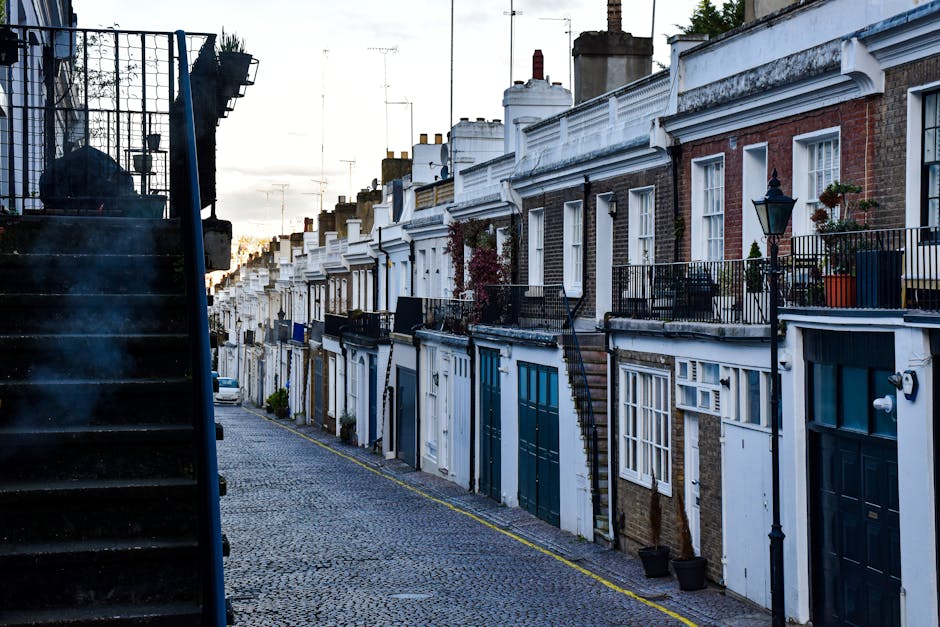
Access is one of those moving details people underestimate until the removal team is standing outside with a trolley and no legal place to stop. In Holland Park, that can happen more easily than you might expect. Streets can be narrow, bays can be occupied, and some properties have awkward approaches, basement steps, shared entrances, or controlled parking. Add in school runs, delivery traffic, and the odd event in the area, and the whole job becomes a bit more time-sensitive than a standard suburban move.
Why does this matter so much? Because access affects nearly everything: the size of vehicle you can use, how long loading and unloading takes, how many crew members are needed, and whether fragile items can be moved safely. It also affects price. A move that looks straightforward online can become slower and more expensive if the van has to park far from the property or if furniture has to be carried a long way. If you want to avoid hidden frustrations, start by thinking about the building, the street, and the route to the front door.
For local moves, it is also worth understanding the neighbourhood context. Holland Park has a calm, residential feel, but that does not mean easy access at every address. If you are settling in and want to understand the local rhythm a bit better, these articles may help: local living reviews and why people value the quieter side of Holland Park. They give useful context for why the area is so appealing, and also why moving there needs proper planning.
How access planning works in practice
Good access planning begins before moving day, not after the van has arrived. In a practical sense, it means matching your property's layout with the vehicle and crew needed to complete the job. A small van may be easier to place on a busy street, while a larger vehicle might reduce the number of trips but be harder to park close enough. There is no single best answer. It depends on the address, the amount of furniture, and the timing.
Most access checks focus on a few things:
- Where the vehicle can safely stop without blocking traffic or causing risk
- How far items must be carried from the vehicle to the property
- Whether there are steps, narrow staircases, lifts, or restricted entryways
- Whether the building needs advance notice for move-in or move-out times
- Whether large items like sofas, wardrobes, or pianos can physically fit through doors and turns
That last point is easy to miss, and then suddenly everyone is measuring a wardrobe in the hallway at 8:15 in the morning. Not ideal. If you are moving furniture-heavy rooms, the service details on furniture removals in Holland Park and house removals in Holland Park are a sensible place to start. For smaller or more flexible moves, a man with a van in Holland Park or a broader removal service in Holland Park may be the better fit.
Access also shapes the order of work. For example, if a flat has a lift but the lift is small, the team may need to move items in stages. If the property is on a narrow street, packing the van efficiently becomes even more important. That is why a quick pre-move conversation about stairs, parking, and entry points is worth its weight in tea.
Key benefits and practical advantages
When access is sorted properly, the benefits show up in very practical ways. You get a more accurate quote, less waiting around, fewer handling risks, and a move that feels far less frantic. It is not glamorous, but it is the stuff that keeps a move from going sideways.
- Faster loading and unloading: A van parked close to the entrance means less carrying, fewer delays, and a shorter overall move.
- Lower risk of damage: Shorter carry distances and fewer awkward turns reduce the chance of bumping walls, frames, or furniture.
- More accurate scheduling: If the team knows access constraints in advance, they can plan arrival times and labour properly.
- Better cost control: Access details help avoid unexpected extra time or additional vehicle changes.
- Less disruption to neighbours: Thoughtful parking and timing makes the move more discreet and civilised, which matters in a residential area like Holland Park.
There is also a confidence benefit. Once you know where the vehicle can stop, which entrance to use, and how the team will carry items in, the whole day feels less like guesswork. And that counts. Especially if you have children, pets, or a work call waiting for you at midday.
If you are comparing moving support options, it can help to read a bit about the company itself and how it works. The about us page gives a useful sense of the business, while services overview can help you see where access-sensitive moves sit within the wider offer.
Who this is for and when it makes sense
This advice is useful for almost anyone moving in or out of the area, but some people benefit more than others. If your move involves a flat, a basement, a top-floor walk-up, or a property on a road with awkward parking, access planning should be front and centre. Same goes if you are moving anything bulky, delicate, or expensive.
It especially makes sense if you are:
- Moving into a period conversion with shared hallways
- Leaving a flat with narrow staircases or a small lift
- Handling a same-day or last-minute move
- Transporting items that need careful handling, such as a piano or large furniture
- Moving office equipment where timing and building access matter
- Trying to keep disruption low for neighbours or a concierge desk
Students often need access planning too, even when the move looks simple on paper. If you are moving in or out of a smaller property, student removals in Holland Park can be a practical option because it suits quicker, lighter moves where flexibility matters. Office moves are a different beast again, and the rules of the building can be just as important as the volume of furniture. For that, see office removals in Holland Park.
To be fair, if your move is tiny and you can carry everything yourself in a couple of trips, you may not need a detailed access plan. But most people move more than they first think. A lamp, a mirror, three boxes of books, a shelf unit, and one sofa. Suddenly the access question is very real.
Step-by-step guidance
Here is the cleanest way to handle access for a Holland Park removal. Nothing fancy. Just a method that works.
- Start with the address layout. Look at the street, the entrance, any gate, and whether the property sits directly on the road or behind a shared frontage.
- Check parking possibilities. Can a vehicle stop nearby? Is there a bay, loading spot, or any obvious restriction that needs planning?
- Measure the route inside. Count stairs, note tight corners, and check whether large items can pass through without being dismantled.
- Identify building rules. Some blocks require notice for moves, limited lift use, or set time windows. Get that sorted early.
- List bulky or awkward items. Sofas, bed frames, wardrobes, mirrors, pianos, and large desks deserve special attention.
- Share the details with your mover. The more accurate the information, the more realistic the plan and quote will be.
- Prepare the property. Clear hallways, protect floors if needed, and keep the main route to the exit free.
- Confirm the move-day schedule. A precise arrival window helps avoid clashes with residents, staff, or building access times.
If you are unsure about packing around access issues, the packing and boxes guidance can help, and the package and boxes service may suit anyone trying to keep the process efficient. For a broader look at how moves are organised locally, the Holland Park Avenue moving guide is worth a read.
Expert tips for better results
Here is where the small improvements really matter. In our experience, access problems are rarely dramatic. They are usually the result of three or four tiny oversights stacking up. That is why good movers ask what seem like simple questions. They are not being fussy. They are trying to avoid the 11th-hour scramble.
- Send photos early: A picture of the entrance, stairs, and street parking can explain more than a long message.
- Be honest about the awkward bits: If the sofa barely fitted in last time, say so.
- Plan around school runs and busier windows: Mid-morning can sometimes be calmer than the early rush, but local conditions vary.
- Think about weather: Rain changes handling conditions, and a wet pavement adds risk. Simple, but true.
- Keep essentials separate: If the van has to park a little further away than expected, you will still want documents, keys, chargers, and medication to hand.
- Ask about dismantling: Some pieces are quicker and safer to move apart. It is not a defeat, just common sense.
One small but useful habit: stand at the front door and imagine carrying a wardrobe out in a straight line. If the path looks awkward to you, it will probably look awkward on moving day. Your instincts are often right here.
For delicate or high-value items, specialised support matters too. That is especially true for piano removals in Holland Park, where access, turning space, and handling technique all need to line up neatly. And if you need temporary holding space because the timing does not fit perfectly, storage in Holland Park can take some pressure out of a complex move.
Common mistakes to avoid
Most access headaches are preventable. The trouble is that people often focus on the packing and forget the practical route in and out. That is understandable. Boxes feel urgent; parking rules feel dull. But the dull bit can be the one that costs you time.
- Leaving access checks until move day: If the van has nowhere to stop, the day starts on the back foot.
- Underestimating carry distance: Fifty extra metres does not sound like much until you are doing it ten times.
- Forgetting to tell the mover about stairs: A basement flat is not the same as a ground-floor maisonette. Obvious, but it gets missed.
- Not checking lift size: A lift can exist and still be useless for larger furniture.
- Assuming a large van is always best: Sometimes a slightly smaller vehicle is easier to place and quicker overall.
- Ignoring time restrictions: Building rules and local traffic patterns can both cause delays.
There is also a pricing trap to avoid. If access is tighter than expected and extra labour is needed, the move can become more expensive. That is one reason many people read about avoiding hidden removals charges in Holland Park before booking. It is a sensible move, frankly.
Tools, resources and recommendations
You do not need specialist equipment to plan access, but a few simple tools make life easier. A tape measure is handy for doorways, stair turns, and large furniture dimensions. A phone camera helps you share exact access points. A notepad or notes app keeps track of the lift dimensions, parking notes, and move-in timings. Nothing glamorous. Very effective, though.
It also helps to have a simple moving pack ready:
- Measurements of your largest items
- Photos of the front entrance, stairwell, and parking area
- Any building instructions or move booking notes
- Contact details for the building manager or concierge, if applicable
- A list of items that need extra care or dismantling
On the service side, the most useful pages are usually the ones that match the exact move type. If you are comparing options, start with removals in Holland Park, then look at man and van services and removal van options if your move is more compact. For a broader comparison of providers, removal companies in Holland Park is a useful reference point.
Law, compliance, standards, or best practice
For removals, access planning sits within general UK expectations around safety, reasonable care, and responsible vehicle use. You do not need to be a legal expert to do this properly, but you should expect a professional mover to take safe loading, safe parking, and sensible handling seriously. If a building has rules about move times or lift use, those should be respected. If a street has clear parking restrictions, those should not be treated like a suggestion. It is really that straightforward.
Best practice usually includes:
- Using a vehicle size appropriate to the street and property
- Avoiding obstruction of pavements, entrances, and emergency routes
- Handling items safely with adequate crew support
- Protecting floors, doors, and shared areas where needed
- Communicating clearly with the customer about access limits before the move
Professional standards also matter in how problems are handled. If something goes wrong, there should be a clear complaints route, and the terms should be transparent. It is sensible to review the terms and conditions, the insurance and safety information, and the complaints procedure before you book. For data handling and website use, the privacy policy, cookie policy, and accessibility statement are also available if you want the full picture.
Options, methods, or comparison table
Different access situations suit different removal methods. Here is a simple comparison to help you think it through.
| Option | Best for | Access advantage | Trade-off |
|---|---|---|---|
| Small van | Narrow streets, short local moves, limited parking | Easier to place near the property | May need more trips |
| Standard removal van | Typical flats and houses with moderate access | Balances capacity and efficiency | Needs enough space to stop safely |
| Man and van | Smaller loads, flexible timings, quick local moves | Good for tight access and lighter jobs | Less suited to large household contents |
| House removal team | Full property moves with furniture and boxes | Better for stair carries and complex handling | Needs stronger planning and often more time |
| Storage-supported move | Moves with timing gaps or staged deliveries | Reduces pressure when access and timing do not line up neatly | Requires extra coordination |
If you are not sure which route makes sense, the honest answer is: it depends on your access, not just your inventory. A smaller job in a tricky street can be harder than a larger job in a more open one. That surprises people sometimes.
Case study or real-world example
Here is a realistic example based on the kind of move many people face in Holland Park. Imagine a one-bedroom flat on an upper floor of a period conversion, with a narrow staircase, a shared entrance, and no dedicated loading space outside. The resident has a sofa, bed frame, dining table, and several boxes of books. On the surface, it sounds like a modest move. In practice, the access makes it a more involved job.
The first issue is parking. If the vehicle cannot stop right outside, the carry distance becomes longer and the moving time stretches. The second issue is the staircase: a bed frame that can be dismantled is far easier to remove than one that is carried in one piece. The third issue is timing, because if the street is busy at school-run hours, the loading window becomes tighter and more stressful.
In a situation like that, the fix is not complicated, just deliberate. The mover gets photos before the day, the customer confirms the largest item sizes, the vehicle chosen is suitable for the street, and the loading sequence is planned in advance. A small amount of coordination prevents a lot of dithering at the kerb. Funny how that works.
For a local route-specific angle, some moves also benefit from advance planning around the area itself. If you are coming from nearby streets or planning the route into the neighbourhood, these guides can be useful: Notting Hill Gate to Holland Park route guidance, Ilchester Place moving tips, and Kyoto Garden access advice. They are especially helpful when access is the real puzzle, not the packing.
Practical checklist
Use this before you book, and again the day before the move.
- Measure the largest items you need to move
- Check whether doors, stairs, and turns can accommodate them
- Confirm where a van can stop safely
- Note any parking restrictions or loading limitations
- Ask whether the building has move-in or move-out rules
- Find out if a lift is available and whether it is large enough
- Take clear photos of the entrance and access route
- Tell the mover about any basement steps, courtyards, or side entrances
- Separate fragile items and label them clearly
- Keep essentials easy to reach on the day
- Allow a little extra time for delays, because London, well, London happens
If you want help with the next stage, compare the move type with the service that fits best. A same-day removals service can be a lifesaver for last-minute situations, while storage gives you breathing room if access and timing do not line up neatly. For a clear idea of next steps, you can also look at pricing and quotes and contact the team when you are ready to talk specifics.
Conclusion
What to know about access for Holland Park removals comes down to a simple idea: plan the handoff from street to front door before moving day arrives. In an area with varied buildings, tight streets, and real-world parking limitations, access is not a side note. It is part of the move itself. Once you have the route, the parking, the stairs, and the building rules mapped out, everything becomes easier to manage.
The best moves are rarely the flashiest ones. They are the ones where the details are quietly handled in advance, the furniture gets out safely, and everyone breathes a little easier by lunchtime. That is the aim here. Calm, careful, and properly planned.
Get a free quote today and see how much you can save.