

Moving to Ilchester Place local removals tips
Posted on 09/05/2026
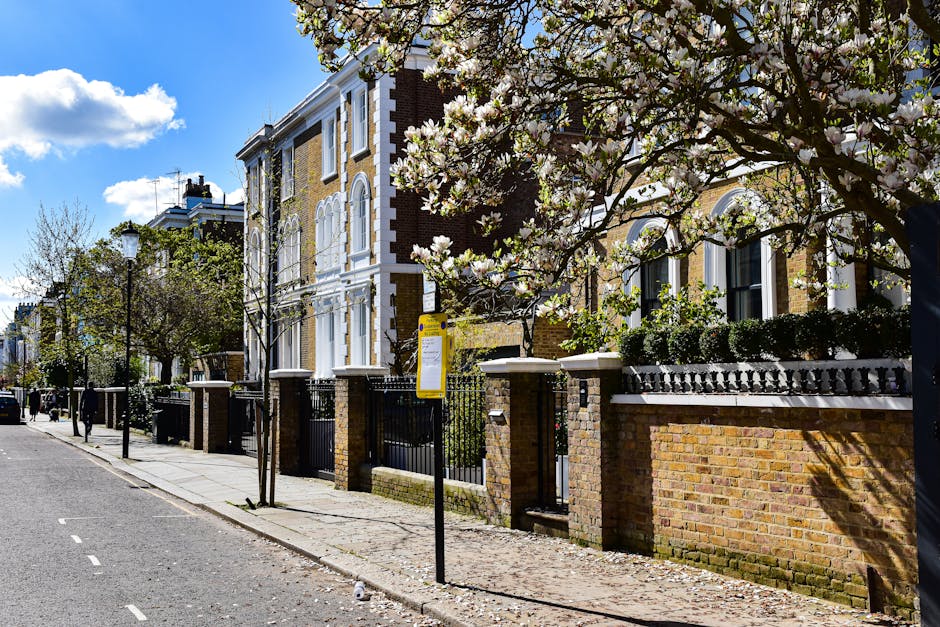
Moving into Ilchester Place is not your average London move. The roads are elegant, the homes are often tucked away behind mature trees and quiet facades, and the logistics can be a little more delicate than people first expect. If you are researching Moving to Ilchester Place local removals tips, you are probably trying to avoid the usual moving-day chaos: awkward access, delayed parking, fragile furniture getting nicked on a corner, and that last-minute panic over boxes that were meant to be labelled but... weren't.
This guide gives you a practical, locally aware way to plan the move. You will find clear steps, common pitfalls, a comparison of removal options, and the kind of small but important details that make a London move feel under control rather than exhausting. If you want background on the wider area, it can also help to read about the peaceful side of Holland Park living and local reviews from people who already know the neighbourhood.
Truth be told, moving well in this part of London is mostly about preparation. Not glamorous, but effective. And that is what you want.

Why Moving to Ilchester Place local removals tips Matters
Ilchester Place sits in a part of West London where moving decisions matter more than people sometimes realise. A move here is usually less about distance and more about timing, access, property type, and protecting valuable items in tighter residential streets. Even if your new place is only a few roads away, the right approach can save you hours and a fair bit of stress.
The practical challenge is that London removals often combine several moving parts: narrow roads, controlled parking, lift access, leaseholder rules, concierge arrangements, and neighbours who would quite like a quiet morning, thank you very much. That means local removals planning is not just a nice-to-have. It is part of getting the move done properly.
There is also a trust angle. When you are moving into a premium residential area, you want removal support that understands home protection, handling standards, and how to work neatly and respectfully. If you are comparing providers, pages like removals in Holland Park and local removal services are useful starting points because they show the type of service scope you should expect.
Practical takeaway: the better you understand access, packing, and timing before moving day, the calmer the entire move becomes. Simple as that.
How Moving to Ilchester Place local removals tips Works
A smooth local move into Ilchester Place usually follows a straightforward sequence. First, you assess the property and access. Then you decide what you are moving, what needs special handling, and whether you need a van, a man-and-van setup, or a fuller removal team. After that comes packing, scheduling, and coordinating arrival windows.
For many London moves, the difference is not the size of the home but the friction points around it. A sofa that looks manageable on a bright Saturday morning can become awkward when you meet a tight staircase or a narrow entrance hall. Likewise, a simple box run can turn messy if parking is not thought through. That is why local removals tips are about the whole chain, not just the vehicle at the end of it.
In practical terms, the process usually looks like this:
- Request a quote and explain the exact address, floor level, and access constraints.
- List large, heavy, awkward, or fragile items separately.
- Confirm the moving date, time slot, and parking arrangement.
- Pack and label boxes by room and priority.
- Protect furniture and secure loose parts before the team arrives.
- Do a final walk-through so nothing is missed.
If your move is urgent or dates have shifted at the last minute, a service such as same-day removals in Holland Park may be worth exploring, though availability can be tight. It is always better to book early if you can, of course.
Key Benefits and Practical Advantages
A well-planned local move into Ilchester Place offers more than convenience. It reduces the risk of damage, keeps the schedule realistic, and makes the first day in your new home feel settled rather than scrambled. That matters when you are moving into a high-quality property and want it treated with care.
- Less handling risk: Efficient loading and unloading reduce the chance of scuffs, dents, and smashed corners.
- Better time control: Clear planning helps avoid parking delays or repeated trips.
- Stronger protection for valuables: Specialist handling can make a big difference for furniture, artwork, mirrors, and instruments.
- Lower stress: Knowing what happens first, second, and third calms the whole day down.
- Cleaner arrival: Good teams move neatly, which matters if you are entering a finished or recently decorated property.
For some households, the biggest win is not even speed. It is simply avoiding the draining feeling of trying to organise a move while also dealing with work, family, keys, and utilities. Moving is noisy in the head, even when the street is quiet.
If you want a better feel for service quality and what a local provider should cover, it can help to review the company background, along with practical pages like insurance and safety information and pricing and quotes.
Who This Is For and When It Makes Sense
This guide is useful if you are moving into Ilchester Place from another part of London, relocating within Holland Park, or arranging a move after a property purchase or tenancy change. It is also relevant if you are downsizing, moving from a flat to a house, or shifting from a furnished rental into a long-term home.
It makes particular sense for:
- families wanting a calm, organised moving day
- professionals with limited time to manage packing
- buyers moving into a newly completed home
- renters who need to hand back keys on a fixed date
- anyone with large furniture, fragile items, or awkward access
There is also a practical fit for people moving smaller loads who still want help with lifting and transport. In those cases, a man and van in Holland Park or a man with a van service can be a sensible choice. For larger homes, however, a more complete house removals service may be the better fit.
What if you are moving only a few items? Then the same principles still apply. The move is smaller, yes, but a poor parking decision or bad packing can still cause a fuss.
Step-by-Step Guidance
Here is the practical sequence I would follow for a local move into Ilchester Place. It is simple, but it works.
1. Start with access, not boxes
Before packing too much, look at the actual route into the property. Check whether there are stairs, lifts, door codes, loading restrictions, or a long walk from the vehicle to the entrance. A ten-minute access check can prevent a whole lot of grief later.
2. Make an honest inventory
Write down the big items first: beds, wardrobes, sofas, desks, appliances, mirrors, and anything fragile or valuable. Then add the medium and small pieces. If you have a piano, specialist help matters. You can see how that works on the piano removals page, because instruments need extra planning and protection.
3. Choose the right moving option
A small flat move may need a compact van and a helper. A family house move may need a broader team and more time. If you are moving a mixture of furniture and boxed household goods, pages like furniture removals and packing and boxes support show the kind of service mix that can save you effort.
4. Pack by room and purpose
Label each box clearly. Not just "kitchen", but "kitchen - everyday plates" or "bedroom - chargers and lamps". That tiny extra detail is gold on move-in evening, when you are tired and would rather not open six boxes to find a kettle lead.
5. Protect the awkward things
Use blankets, bubble wrap, corner protection, and proper tape where needed. Remove shelves, secure drawers, and bundle cables. A little preparation prevents that sickening scrape sound that everyone hates hearing.
6. Plan parking and timing
In a place like Ilchester Place, timing and vehicle position can affect the whole day. Confirm where the van can stop, how long it can stay, and whether a permit or temporary arrangement is required. If you are unsure, speak to the moving company early rather than assuming it will sort itself out.
7. Do a final sweep before departure
Check wardrobes, cupboards, loft spaces, under beds, and behind doors. You would be surprised how often the last missing item is a charger or a set of keys sitting in a random drawer.
Expert Tips for Better Results
Here are the tips that tend to make the biggest difference in real life, not just on paper.
- Book a realistic arrival window. London traffic can be unpredictable, so leave space rather than squeezing the schedule too tightly.
- Pack a first-night box. Include toiletries, kettle items, phone chargers, bedding, medicines, snacks, and cleaning wipes. You will thank yourself later.
- Photograph valuable items before the move. It is a simple record of condition and can help you track what belongs where.
- Keep small hardware together. Put screws, fittings, and remote controls in labelled bags taped to the item or stored in one protected box.
- Tell the movers about anything unusual. Oversized furniture, a narrow hallway, a precious rug, a marble table top, or a difficult stair turn - say it upfront.
One practical habit I always recommend: keep a single document folder or digital note with the moving company details, access instructions, key contacts, and utility dates. It sounds boring. It is boring. And it saves time.
If you want a provider that works in a tidy, considerate way, it is worth checking the wider services overview so you can see what can be combined rather than booking each part separately.
Common Mistakes to Avoid
Local moves often go wrong for surprisingly ordinary reasons. Not dramatic reasons. Just everyday oversights that stack up.
- Underestimating access issues: A property can look straightforward from the street and still be awkward once you reach the front door.
- Poor labelling: Boxes without room names slow everything down and create confusion at unpacking time.
- Forgetting the parking picture: If the van has nowhere sensible to stop, the rest of the schedule starts slipping.
- Leaving packing too late: Last-minute packing usually means missing items, damaged items, or both.
- Not checking insurance: You should know what is covered and what is not before anything is loaded.
- Ignoring storage needs: Sometimes completion dates, decorators, or access delays mean you need short-term storage. Better to plan for that early.
And yes, the classic mistake: assuming "it's just around the corner" means the move will be easy. It might be easier, but not automatically easy. London has a funny way of making short distances feel longer.
Tools, Resources and Recommendations
You do not need a mountain of equipment, but the right basics make the move smoother. At minimum, think in terms of protection, organisation, and access.
- Strong boxes: Use good-quality moving boxes rather than old supermarket cartons that can buckle.
- Packing paper and wrap: Essential for glassware, lamps, ornaments, and delicate surfaces.
- Labels and marker pens: Keep them visible and consistent.
- Furniture covers or blankets: Helpful for sofas, wardrobes, and tables.
- Tape, bags, and ties: Good for loose parts, cables, and fasteners.
- Measuring tape: Handy for checking whether furniture will fit through doorways and stair turns.
For larger or more complicated moves, the best resource is often a provider that can advise on the whole picture: packing, transport, furniture handling, storage, and timing. If you are weighing that up, have a look at removal companies in Holland Park and storage options in Holland Park.
You can also check the company's practical policies before booking, including health and safety, terms and conditions, and payment and security. A little due diligence goes a long way.
Law, Compliance, Standards, or Best Practice
For a move like this, the legal and compliance side is mostly about sensible practice rather than complicated rules. Still, it matters. A reputable removals provider should be clear about insurance, handling standards, payment terms, complaints handling, and how personal data is managed.
Best practice usually includes:
- clear written quotes or estimates where possible
- reasonable communication about timings and access
- safe lifting and loading methods
- appropriate protection for furniture and property
- transparent handling of risks, exclusions, and limitations
If a move involves shared entrances, leasehold buildings, or building management rules, it is wise to check requirements in advance. That may include lift bookings, noise windows, or loading arrangements. Not every building works the same way, and you really do not want to find that out on moving morning.
It is also sensible to review public-facing support pages from the company, such as the complaints procedure, privacy policy, and accessibility statement, especially if you value clear service standards and inclusive communication.
Options, Methods, or Comparison Table
Choosing the right moving method is often the real decision. Here is a simple comparison to help you weigh up the main options.
| Option | Best for | Strengths | Limitations |
|---|---|---|---|
| Man and van | Small flats, light loads, quick local trips | Flexible, practical, often cost-effective | Less suitable for very large homes or bulky loads |
| Van with extra labour | Mixed household loads, medium-sized moves | Good balance of support and efficiency | May still need more time for heavier furniture |
| Full house removals service | Family homes, full contents moves, premium furniture | More hands, better coordination, more comprehensive | Usually more involved to book and plan |
| Storage plus removals | Delayed completions, refurbishments, staging moves | Offers flexibility when dates do not align | Extra cost and another layer of planning |
If you are moving from a smaller property, a flat removals service may be the most efficient option. For students or smaller budgets, the dedicated student removals service may also be relevant, even if your move is only short-distance.
The right answer is rarely the fanciest one. It is the one that fits your load, your access, and your timeline.
Case Study or Real-World Example
Here is a realistic example. Imagine you are moving from a two-bedroom flat near Holland Park into Ilchester Place. You have a sofa, dining table, king bed, several book boxes, two mirrors, and a few fragile lamps. Nothing outrageous. But the timing is tight, and you want the property ready for the first night.
The move goes better when you break it into stages. First, the larger furniture is identified and measured. Next, the parking and arrival window are confirmed. Then the fragile items are packed separately, and a first-night box is set aside. On moving day, the team can work room by room without guessing where anything goes.
The detail that often saves the day? Labels. Clear labels. "Kitchen - crockery", "Bedroom - winter clothes", "Hall - tools and chargers". Once the van doors close and the rain starts - because of course it might, this is London - those labels become pure gold.
That is the whole point of local removals planning: reducing friction so the move feels orderly, even if the day itself is busy.
Practical Checklist
Use this simple checklist to stay on track in the days leading up to your move.
- Confirm your move date and arrival window
- Check access details for both properties
- Arrange parking or loading space where needed
- Measure large furniture against doorways and stair turns
- Book the right removals option for your load
- Gather boxes, tape, wrap, labels, and markers
- Pack fragile items separately and mark them clearly
- Prepare a first-night essentials box
- Photograph valuables and any pre-existing marks
- Set aside keys, documents, chargers, and important contacts
- Check insurance, terms, and building requirements
- Do a final sweep of cupboards, loft spaces, and storage areas
Expert summary: The best moving days are rarely the fastest ones. They are the ones where everyone knows what is happening, where the awkward items have been thought through, and where the final box is exactly where you need it.
Conclusion
Moving to Ilchester Place is much easier when you treat it as a local logistics exercise rather than a simple van booking. The address, the access, the packing, and the timing all matter. Get those right and the move becomes steady, manageable, and far less draining.
Whether you are moving a compact flat or a larger family home, the best Moving to Ilchester Place local removals tips all come back to the same idea: plan early, pack clearly, and choose a removals option that fits the property rather than forcing the property to fit the move. Simple, but very effective.
If you are still comparing options or want help tailoring the move to your exact address, it is worth speaking to a local team that knows the area well and can advise on access, packing, and timing before anything gets loaded.
Get a free quote today and see how much you can save.